
Skip to content
Libellus
LibellusThe latest scientific discoveries, explained for everyoneFree · Independent · Not for profit · Translated in 5 languages

Section

Environment and energy

8 articles

At 41 degrees, nearly all land could run data centers without chillers all year

Data centers are getting hotter in more than one sense. As servers multiply, the electricity needed to keep them cool has become a major part of their global footprint. One idea is to stop fighting heat and let server rooms run much warmer than today's comfortable 22 degrees. That sounds simple, but it changes how cooling works, what kind of machines can tolerate the warmth, and whether the savings are large enough to matter across continents.

Can climate change make hantavirus outbreaks more likely by changing where rodents live?

Hantaviruses have long lived in rodents, and most people never meet them. Yet the viruses that cause serious illness can jump to humans when conditions line up. Climate change is moving habitats, shifting rodent behavior, and changing how long virus particles survive outside their bodies. The puzzle is whether these shifts make outbreaks easier to anticipate or harder to stop.

For couples trying insemination, the city's carbon monoxide level may be a factor worth asking about

Couples who use intrauterine insemination often focus on hormones, clinic protocols, and the timing of each cycle. The air they breathe during that window has received less attention. In one Chinese city, medical records from thousands of inseminations were paired with daily measurements of common pollutants. The question was whether a gas people cannot smell might be tied to whether an embryo implants and a pregnancy is confirmed.

Drones Learn to Circle Wildfires in a Virtual Training Ground for Emergency Response

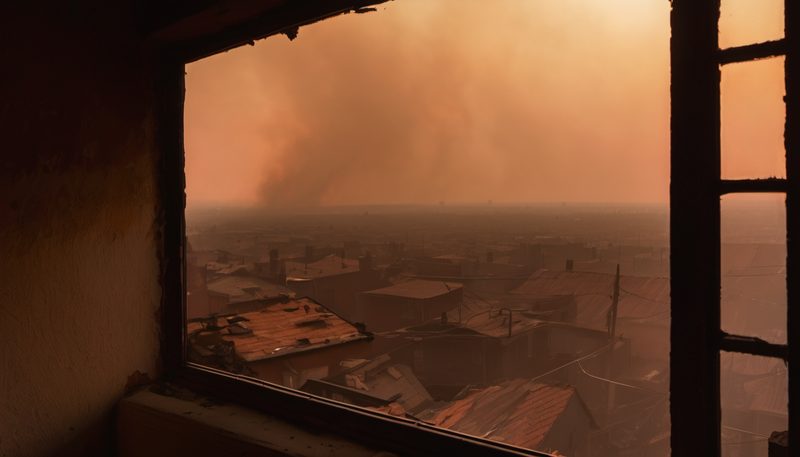
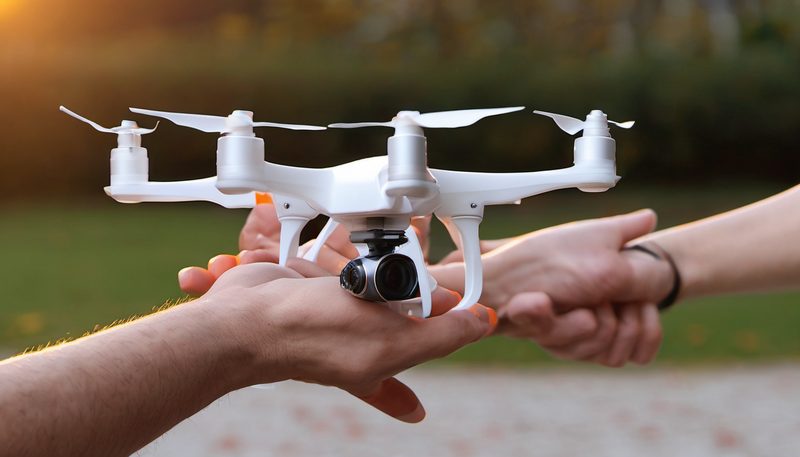
When wildfires race through dry hills, crews can be slowed by smoke, broken radio links, and exhausted shifts. A computer experiment asks whether small drones could help by learning to fly around fire on their own. Instead of following fixed rules, the drones are trained in a virtual world where flames appear, spread, block paths, or crash into obstacles. The goal is not to drop water but to understand how groups of autonomous aircraft can keep watch over dangerous edges, share information, and adapt as conditions change.